LUNA SOCCER NEWS
Scottish Premiership Takes Bold Step to Lift Saturday Broadcast Ban
29 October 2026
· 2 min read
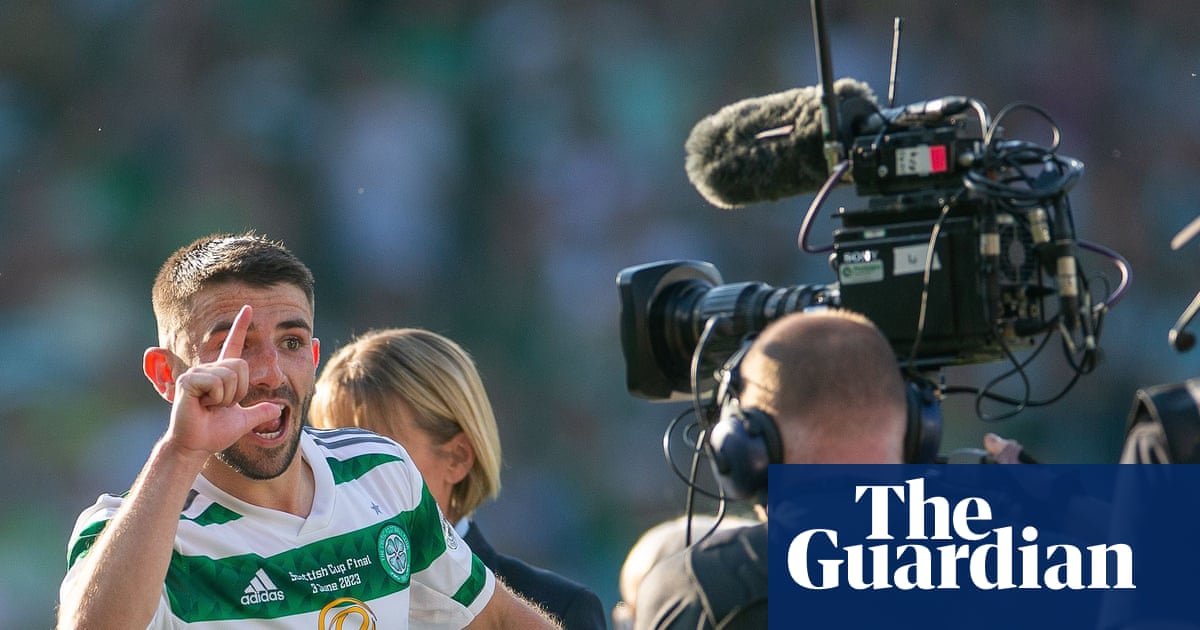
In a groundbreaking move, the Scottish Premiership is poised to challenge the traditional Saturday afternoon broadcast blackout by calling for bids to air all of its matches starting in 2029.
Last week, the Scottish Professional Football League (SPFL) released a tender document inviting broadcasters to bid for live rights, including those elusive 3pm Saturday games, which are currently off-limits due to UEFA’s Article 48.
The Guardian reported that both the Premier League and the English Football League are keen to end this restriction, believing that selling more match broadcasts is the key to boosting revenues. It seems this sentiment is gaining traction in Scotland as well.
According to reports from Sports Business, the SPFL's invitation allows bidders to propose deals without the constraints of Article 48, which prohibits broadcasting during peak Saturday afternoons when many top-tier matches are played.
An insider familiar with the tender told the Guardian that it's becoming less likely that the four British Football Associations will continue enforcing the blackout after 2029.
Currently, UK broadcasters are barred from showing live matches between 2:45pm and 5:15pm on Saturdays, a time when approximately half of the games in the top two divisions are scheduled. Notably, 3pm kickoffs can still be aired during FA Cup weekends and on bank holiday weekends.
The UK remains the only country in Europe still adhering to Article 48, which permits football associations to impose restrictions on live match broadcasts.
While the FA, Scottish FA, Welsh FA, and Irish FA govern the application of Article 48, they are expected to align their decisions with the clubs’ preferences.
Currently, UK broadcasters can air up to 270 Premier League matches, 1,059 EFL games, and 82 from the Scottish Premiership, which collectively covers about 35% of the season's fixtures.
Premier League chief Richard Masters highlighted the ongoing discussions around lifting Article 48. “We need to make a decision about whether changes are coming,” he stated in August. “It’s not a choice for immediate action, but it’s one we must revisit within the next 18 months regarding the future of Article 48.”