LUNA SOCCER NEWS
Uefa at a Crossroads: Sevastopol’s Controversial Rise in Russian Football
5 November 2026
· 3 min read
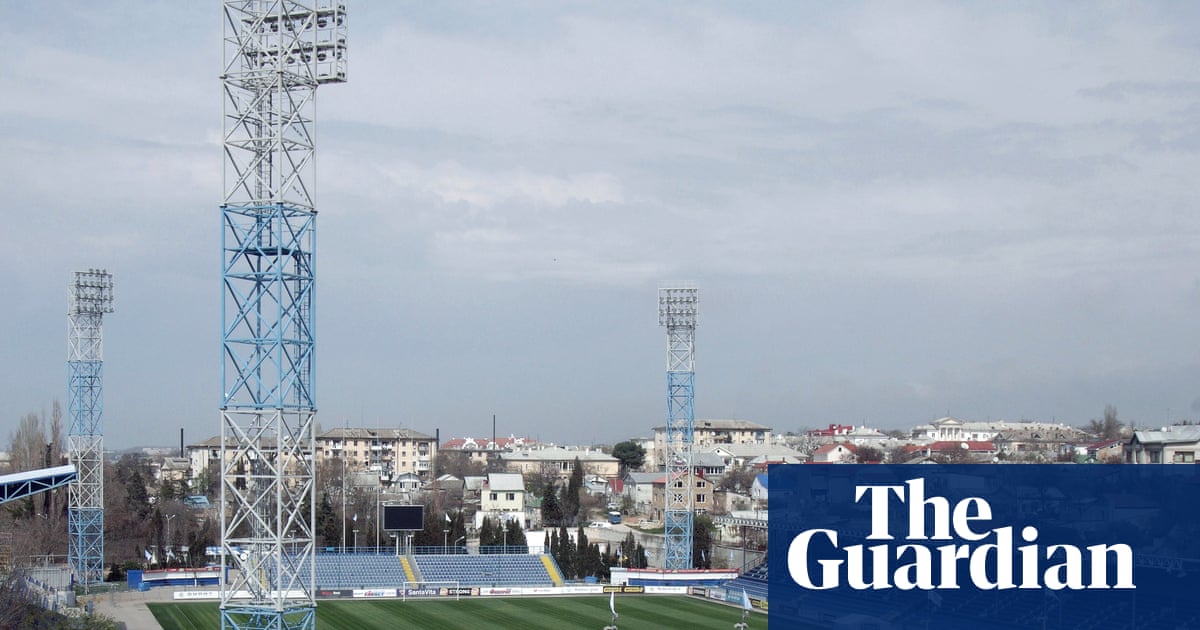
The promotion of FC Sevastopol to the Russian professional third tier has put Uefa and Fifa in a challenging position, forcing them to confront the implications of Russia's attempts to include teams from illegally occupied Ukrainian areas.
Last month, Sevastopol clinched the title in group one of FNL 2B, which is effectively Russia’s fourth division. They've reportedly applied for a license to move up to the next tier, FNL 2A. If this happens, it would contradict Uefa's regulations that prohibit Crimean clubs from participating in competitions run by the Russian Football Union (RFU). This could ignite renewed calls for Uefa to impose stricter sanctions on Russia, which has already faced bans for its club and national teams in international competitions.
Sevastopol's CEO, Valery Chaly, confirmed their intent to push forward, stating, “Of course, we plan to submit documents. According to the regulations we should advance to the next stage.” The RFU remains a part of Uefa and Fifa, but if Sevastopol's promotion is not curtailed, there could be heightened demands for the RFU’s expulsion from these governing bodies. Currently, no decision has been made regarding their potential entry into FNL 2A.
This isn't the first time football's governing bodies have faced a similar dilemma. In 2023, Sevastopol and another Crimean club, Rubin Yalta, were allowed to compete in FNL 2B, despite the fact that teams from Crimea have been barred from Russian competitions since the region's annexation in 2014.
The Ukrainian Association of Football (UAF) has urged Uefa and Fifa to reconsider Russia's membership, citing a “gross violation” of their statutes and emphasizing Uefa’s prior ruling against Crimean clubs participating in RFU events. While Uefa claimed they would review the situation, there are concerns that they have turned a blind eye, as the RFU suggested FNL 2B was an amateur league, despite several clubs indicating they operate on a professional basis.
This lack of decisive action has led to a rise in tensions. In April 2024, an imitation of Ukrainian club Zorya Luhansk was allowed into FNL 2B, followed by a fake Shakhtar Donetsk team, which mirrors the actual Champions League contenders who’ve had to relocate since 2014. Notably, five of the fifteen teams in the recent FNL 2B season were linked to occupied territories, including Kyzyltash Bakhchisaray from Simferopol.
If the RFU opts to block Sevastopol from promotion—whether independently or under pressure from international bodies—another contentious issue looms. The imitation Shakhtar, which finished as runners-up in group 1, could rise instead, having secured the position by beating Sevastopol 2-0 on the final day of the season. Unlike Sevastopol, their matches are played in Russian territory, even though their registration is tied to an address in Donetsk.
In October 2025, the UAF requested a review from Uefa regarding the legal status of these imitation clubs, but like other assessments regarding Crimean teams, results are still pending. The UAF cautioned of a “coordinated political attempt to legitimise the occupation and erase the identity of Ukrainian football.”
Recently, Russia participated in a Fifa event for the first time since its invasion of Ukraine, finishing 19th in the under-15 World Cup. Meanwhile, under-15 and under-16 teams have continued to engage in smaller Uefa development tournaments, primarily against invited teams on home soil during the ongoing conflict.
None of the organizations involved—Uefa, Fifa, the RFU, the FNL, Sevastopol, or the imitation Shakhtar—provided comments when approached for this article.