LUNA SOCCER NEWS
Super Falcons Face Heartbreak: A Historic Absence from the World Cup
3 November 2026
· 4 min read
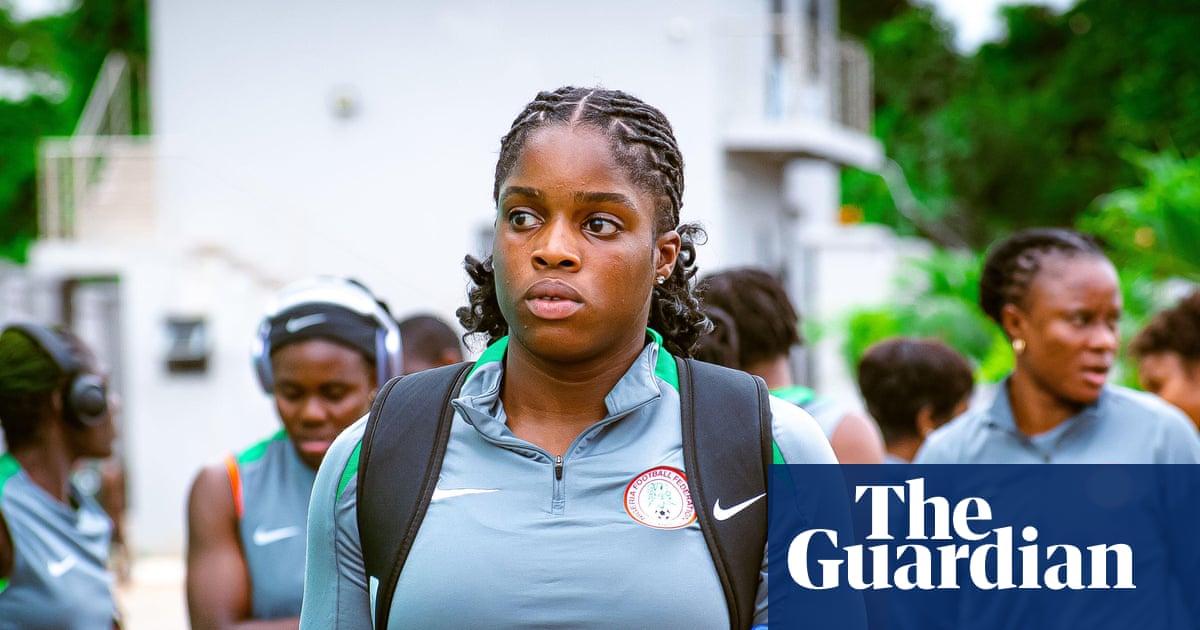
The Super Falcons have hit a new low, and it's hard to overstate the impact of their recent defeat. Nigeria's 2-1 loss to South Africa in a playoff match in August means they will not be competing in the World Cup for the first time in history. This is a devastating blow for the most celebrated national team in Africa, boasting ten Wafcon titles to their name.
Dr. Victor Ademola, a journalist who was in Morocco during the heartbreaking match, captured the moment perfectly. "It was a very difficult evening," he recalls. "Some players were visibly emotional, while others seemed lost in thought. I saw tears as they boarded the bus, while others sat alone, scrolling through their phones, clearly heartbroken."
This crushing setback came just days after the Super Falcons were knocked out of the Wafcon quarter-finals by Cameroon. Only the semi-finalists secured automatic qualification for the World Cup, leading Nigeria to that tragic playoff fate.
Ademola noted the heavy burden the players felt. "They understood the legacy of the Super Falcons. This wasn't just another loss; it was a moment filled with disappointment, disbelief, and sorrow."
Missing out on the World Cup is not just a historical loss; it's a financial one as well. With prize money set to increase for next year's tournament, Nigeria risks being left behind in the evolving landscape of women's football. Fifa President Gianni Infantino has promised to equalize the prize funds for men's and women's tournaments by 2027, with the men's World Cup projected to offer $727 million. For Nigeria, not being part of the tournament is a significant disadvantage.
Janine Anthony, an established African women's football journalist, emphasizes the stakes for the Super Falcons. "Women’s football can’t afford to miss out on the World Cup. It’s the ultimate platform to showcase talent and represent your country. The Super Falcons were one of only seven teams to participate in every World Cup and the sole African representative—now that legacy is at risk."
Despite their achievements, Anthony argues that the Super Falcons are often treated as an "absolute afterthought" regarding domestic leagues and preparation. The team's lack of practice matches became evident in Morocco, where they struggled to find a cohesive rhythm. Coach Justine Madugu frequently shifted the starting lineup, which contributed to their downfall.
Before the tournament, the Super Falcons only played two friendlies against Senegal, a team without World Cup experience. In contrast, they had a more robust preparation before the 2025 edition. "Imagine if they had more games to fine-tune their tactics,” Anthony reflects. “The Nigerian Football Federation missed a golden opportunity with Wafcon being shifted to July."
The landscape of African women's football is evolving, with Morocco being the only nation from the continent guaranteed a spot in the upcoming World Cup. South Africa is set to compete in intercontinental playoffs, while Nigeria and Zambia are left on the sidelines.
Notably, Malawi and Cameroon shone at Wafcon, with Malawi making their debut and showcasing the incredible talent of the Chawinga sisters. Cameroon, who surprised many by qualifying, will also head to their first World Cup.
The Super Falcons’ absence is just the latest chapter in a series of disappointments for Nigerian football. The men's team has also missed two consecutive World Cups, and the under-17s haven’t qualified since 2019. While there are signs of growth for the under-20 women, who reached the quarter-finals in September, they too fell short against Colombia.
Players and coaches have long voiced their frustrations over unpaid allowances and bonuses from the Nigerian Football Federation. The Falcons have staged protests and boycotts to demand better treatment, including during past Wafcons and the 2019 World Cup.
The NFF is currently under investigation for allegedly misusing a government fund intended to settle outstanding payments to players and staff. Local media reported that a 17 billion naira (£9.5 million) fund was issued in 2024, but the NFF has refrained from commenting on the matter.
Nigerian President Bola Tinubu has expressed his dissatisfaction with the situation, asserting that the country’s football governance needs comprehensive reform. "Nigerian football must undergo far-reaching changes to strengthen governance, administration, and player development," he stated.
This statement followed the resignation of NFF President Ibrahim Gusau along with several board members. Though elections were slated for September, they have been postponed pending reforms in consultation with Fifa and Caf.
What lies ahead for the Super Falcons remains uncertain. Anthony hopes for increased investment and support for women's football in Nigeria. Only time will tell if the Super Falcons can reclaim their place on the world stage.