LUNA SOCCER NEWS
The Unraveling of Manchester United: A Tale of Misfortune
26 October 2026
· 4 min read
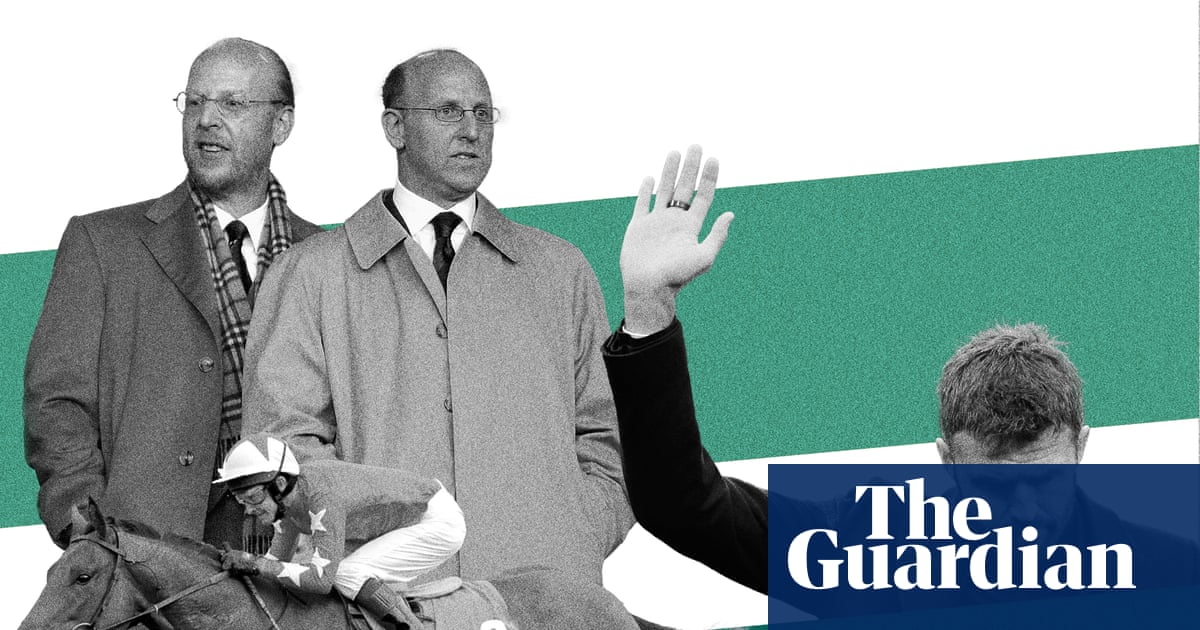
The blame game is alive and well at Old Trafford. Just like all great downfalls, it all started with a seemingly trivial moment that spiraled into chaos.
Here we find ourselves again, as autumn descends and Manchester United stands on the brink of another managerial change. The recent 3-0 defeat to Bournemouth, following a disheartening 4-1 loss to Como, has made it clear: Michael Carrick may not be the right man for the job.
But let’s take a step back. After cycling through numerous managers over the past 13 years, perhaps the issue runs deeper than just the head coach. Should we be looking at the director of football, Jason Wilcox, or the chief executive, Omar Berrada, who are responsible for these appointments? What about Sir Jim Ratcliffe, the minority shareholder with a focus on cutting costs, or the Glazer family, whose leveraged buyout in 2005 has plunged the club into debt and mismanagement?
It’s essential to remember how this all started. The saga of Manchester United has unfolded like a classic tragedy, beginning with a small, seemingly disconnected incident that snowballed into a crisis of epic proportions.
Back in 1999, a horse named Mull of Kintyre, owned by Irish millionaire John Magnier, won the Gimcrack Stakes at York. When the time came for a speech at the Gimcrack Dinner, Magnier, who loathed public speaking, asked his friend, United manager Alex Ferguson, to step in. The racing establishment, however, insisted it had to be the owner. In a fit of defiance, Magnier named Ferguson as the owner of another horse, Juniper, which narrowly lost the following year. Determined to make a point, he made Ferguson the owner of Rock of Gibraltar, who went on to win the Gimcrack effortlessly, allowing Ferguson to deliver the speech.
Magnier’s intentions were partly playful but also aimed at giving Ferguson a better experience in the racing world. In a twist of fate, Ferguson wasn’t fond of United's chairman, Martin Edwards, and sensed the growing value in football investments, leading Magnier and his partner JP McManus to buy shares in United.
What unfolded next was unexpected: Rock of Gibraltar turned out to be a phenomenal racehorse, clinching seven Group One victories. The stud fees were set to be worth millions. Ferguson believed they had a verbal agreement allowing him to choose between 50% of the prize money or a share of the stud fees, which ultimately ballooned into a fortune. He opted for the latter. However, Magnier recalled it quite differently, claiming it was only 5% of the prize money or one nomination a year.
Ferguson took legal action, and with his name on the ownership documents, he likely would have won. But then whispers about Ferguson’s financial dealings began to circulate, leading to awkward questions at United’s annual general meeting. A list of 99 queries from Magnier and McManus found its way into the press, humiliating the club. Fans began to protest against Magnier and McManus at race events. Eventually, Ferguson settled for £2.5 million to drop the case, but the damage was already done.
Magnier and McManus decided to sell their shares in United, and Malcolm Glazer was poised to step in. Ferguson endorsed Glazer, who executed a leveraged buyout, and in 2005, Magnier and McManus sold for £260 million, pocketing nearly £100 million in profit. Had they held on for Ratcliffe's stake in 2024, their payout could have been nearly £1 billion more. In Ferguson's eyes, a threat was neutralized.
Yet, Glazer and his family would go on to become one of the most detrimental ownership groups in English football history. For two decades, United has been burdened by debt and plagued by poor footballing decisions. Ferguson's genius ensured the club enjoyed success, winning five league titles and a Champions League after the takeover, but once he departed, the foundation crumbled.
The current squad, a mismatched assembly from a series of flawed managerial decisions, won’t be fixed overnight. Carrick is now the latest casualty of a crisis that has been brewing for over 21 years. All for the sake of a horse, a club now lost.